
Home
News and Resources
NSW Parliamentary Report Recommends Boost to Arts Funding and Regional Support
NSW Parliamentary Report Recommends Boost to Arts Funding and Regional Support
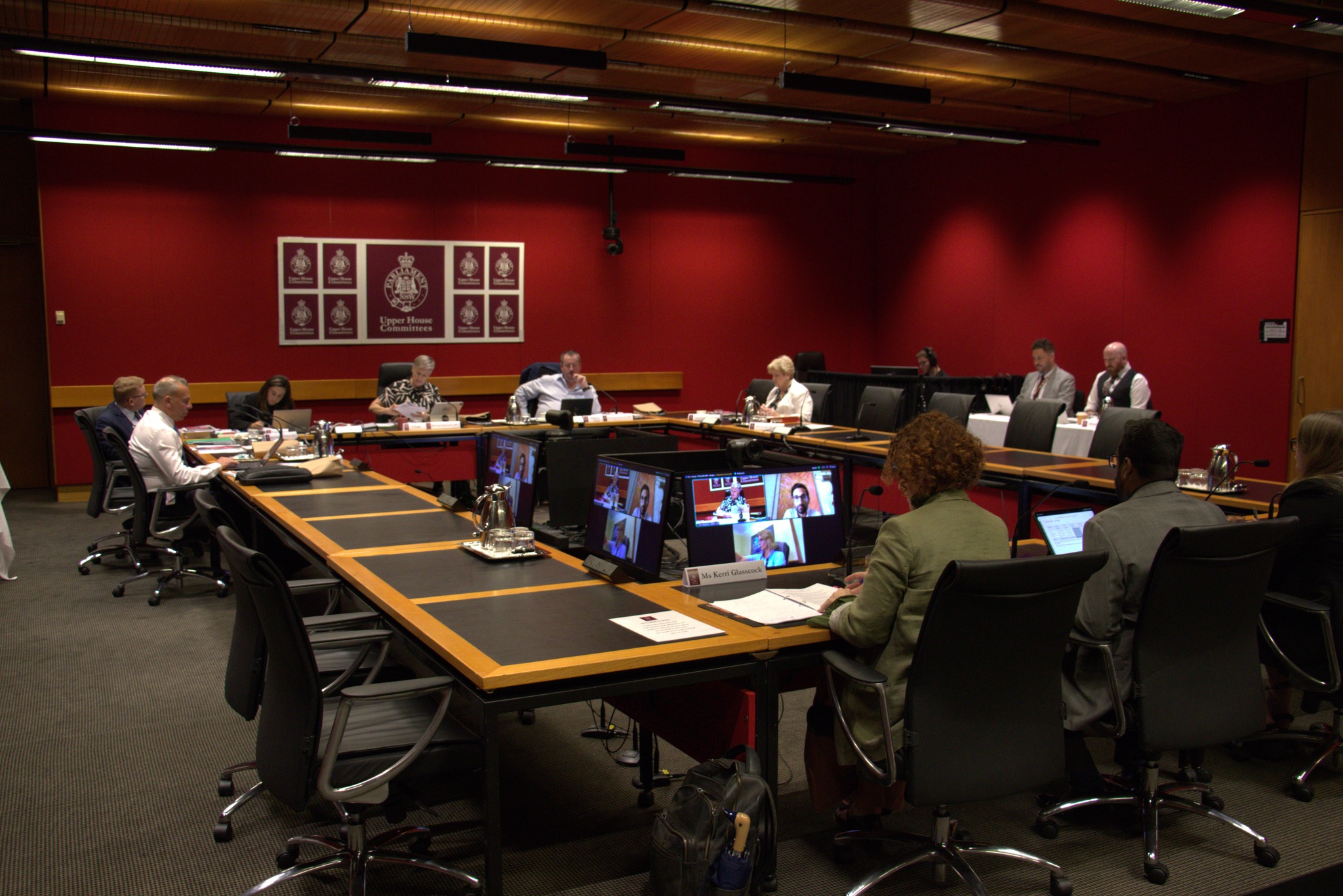
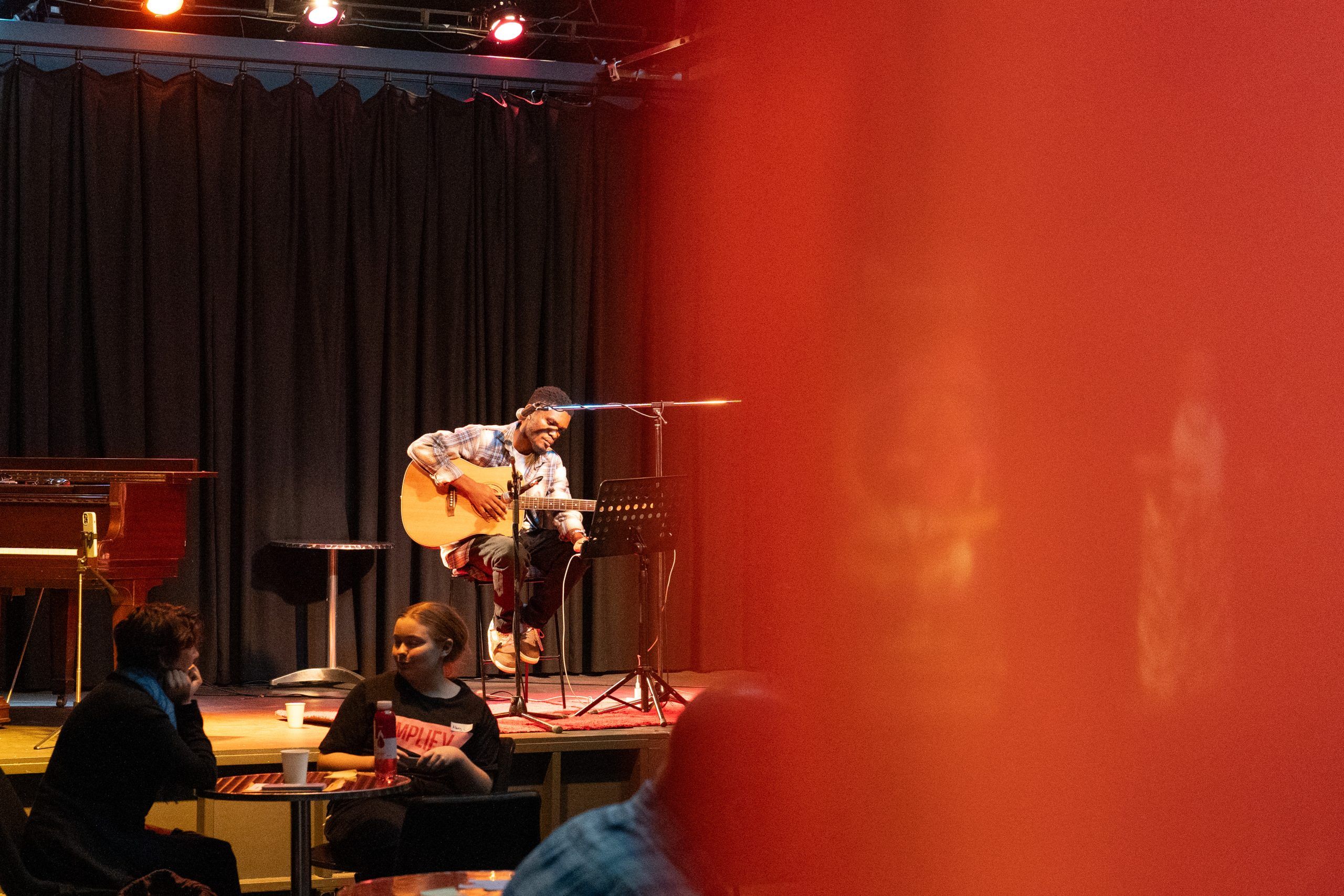
A newly released NSW Parliamentary inquiry report into the structure and funding of the state’s arts, music, night-time economy and transport portfolios has delivered a significant critique of the NSW Government’s current approach to arts policy, funding and sector support — with major implications for regional communities. The report, released by the NSW Legislative Council’s…
May 5, 2026
read
Share this post
A newly released NSW Parliamentary inquiry report into the structure and funding of the state’s arts, music, night-time economy and transport portfolios has delivered a significant critique of the NSW Government’s current approach to arts policy, funding and sector support — with major implications for regional communities.
The report, released by the NSW Legislative Council’s Portfolio Committee No. 6, examines the impact of recent restructures and funding decisions across key arts agencies including Create NSW, Sound NSW and the Office of the 24-Hour Economy Commissioner. It finds that the current funding framework is placing increasing strain on artists, arts organisations and regional communities, while also raising concerns about transparency, staffing reductions and the loss of sector expertise within government agencies.
Of particular relevance to regional NSW, the report highlights concerns that funding and staffing changes have reduced Create NSW’s capacity to adequately support regional arts development and recommends that the NSW Government maintain and better resource its commitment to regional arts and culture. It also calls for the fast-tracking of the promised Regional Arts Development Organisations (RADO) Sustainability Fund and improved reporting on the implementation of the Heartland regional arts strategy.
While the report broadly welcomes the NSW Government’s long-term arts policy framework, Creative Communities, evidence presented to the inquiry suggested that many in the sector believe the policy is underfunded and not currently being delivered at the scale originally envisioned. Stakeholders also raised concerns that increased prioritisation of the night-time economy and contemporary music sectors has come at the expense of broader arts and cultural investment.
For regional arts organisations, councils and creatives, the report may prove influential in shaping future advocacy and funding discussions. If adopted in part or in full, its recommendations could lead to greater transparency, stronger regional investment, and improved sustainability for the arts sector across regional NSW.
Notably, the report also includes a dissenting statement from NSW Australian Labor Party members of the committee, who disagreed with all findings, recommendations and committee comments made in the report. The dissent argues that the inquiry places insufficient weight on broader fiscal pressures facing government and contends that the report does not fully acknowledge recent investments and reforms already underway within the arts and cultural sector. While dissenting statements do not alter the formal recommendations of a parliamentary report, they can indicate that the Government may not fully accept the committee’s conclusions or may provide a more measured response when formally addressing the recommendations in coming months.
The full report Portfolio Committee No. 6 – Transport and the Arts, entitled ‘Structure and funding of the arts, music, night-time economy, and transport portfolios’ can be found here.
A list of findings and recommendations relating to the arts can be found below:
Findings
Finding 1
That the NSW Government’s restructure of the arts and cultural agencies has resulted in a loss of experience and institutional knowledge to the detriment of the sector overall.
Finding 2
That the NSW Government’s decision to prioritise the 24-hour economy and contemporary music portfolios has come at the expense of other forms of art, music and culture.
Finding 3
That changes in staffing and expenditure across the arts, music and night-time economy portfolios lack transparency and have not been sufficiently justified as to how they support the broader arts, music and cultural sector in New South Wales.
Finding 4
That the scale and seniority of staffing within the Office of the 24-Hour Economy Commissioner requires stronger public justification, particularly in light of the NSW Government’s commitment to reduce senior executive numbers and maximise direct program delivery.
Finding 5
That the current arts funding and grants framework and processes are undermining the capacity and sustainability of independent artists and small-to-medium arts organisations.
Recommendations
Recommendation 1
That the NSW Government ensure consultation for all arts, music, culture and night-time economy policies and strategies is undertaken broadly, and with stakeholders that fully reflect the diversity of the relevant sector.
Recommendation 2
That the NSW Government allocate additional funding to the implementation of the Creative Communities policy to ensure its objectives can be fully realised and delivered.
Recommendation 3
That the NSW Government commit to continuous monitoring and evaluation of the Creative Communities policy, including regular ‘implementation health checks’ throughout the remainder of its 10-year life, to ensure it is delivering on its objectives.
Recommendation 4
That the NSW Government:
- commit to undertaking broad consultation across all regions for all future arts and cultural policy and strategy development
- maintain and adequately resource its commitment to supporting the long-term development of arts and culture in regional New South Wales, recognising its contribution to economic growth, tourism, and community resilience and wellbeing.
Recommendation 5
That the NSW Government publish an annual Heartland implementation report setting out:
- funding allocated and spent by program and region,
- projects commenced and completed,
- measurable outcomes against the plan’s priorities, and
- confirmation of whether funding is additional to, or offset by reductions in, other arts and cultural programs.
Recommendation 6
That the NSW Government revise Create NSW’s budget allocation to ensure the agency is adequately funded to meet and deliver on its commitments and service delivery responsibilities.
Recommendation 7
That NSW Treasury update its budget papers format to require more detail be publicly reported on the expenditure of agencies within departments, including Create NSW, Sound NSW and the Office of the 24-Hour Economy Commissioner.
Recommendation 8
That, in relation to the Arts and Cultural Funding Program, the NSW Government:
- commission an independent review of the reformed program, informed by broad stakeholder consultation, to ensure it is meeting the needs of the arts and cultural sector
- establish a co-design and consultation process with the arts and cultural sector to refine future iterations of the program
- commit to improving transparency and visibility, including by publishing available funding pools prior to each round and providing regular public reporting on program outcomes.
Recommendation 9
That the NSW Government strengthen the governance and effectiveness of the Create NSW Artform Boards, including by:
- ensuring assessors are informed of available funding,
- reviewing conflict-of-interest settings to maintain strong sector expertise and representation, and
- improving transparency across the assessment process.
Recommendation 10
That the NSW Government require some of the Office of the 24-Hour Economy Commissioner’s precinct-based funding to be spent on local artists in New South Wales.
Recommendation 11
That the NSW Government require the Office of the 24-Hour Economy Commissioner to publish annual public reporting on its staffing profile, total administrative expenditure, all precinct-based grant allocations, and the proportion of funding directly benefiting New South Wales artists, venues and cultural operators.
Recommendation 12
That the NSW Government urgently restore baseline funding to the Australian Design Centre from $150,000 to $500,000 per annum for 2026 and 2027 to enable the state’s only government-supported institution dedicated to craft and design to continue operations beyond 30 June 2026.
Recommendation 13
That the NSW Government advocate to the Federal Government for emergency Federal funding for the Australian Design Centre.
Recommendation 14
That the NSW Government review reporting requirements attached to state funding arts programs to ensure they are proportionate to the size and risk of the grant, with a view to reducing administrative burden on funded organisations while maintaining appropriate accountability.
Recommendation 15
That the NSW Government fast track its commitment to establish the Regional Arts Development Organisations (RADO) sustainability fund.
Recommendation 16
That the NSW Government:
- commit to the full implementation of any findings and recommendations arising from the NSW Auditor-General’s audit of the effectiveness of the planning, design and construction for the Powerhouse Museum Parramatta and Ultimo projects
- publish updated public business case summaries for the Parramatta and Ultimo projects, including current total estimated cost, major scope changes, project timelines and key assumptions
- conduct a forensic audit of the Museum of Applied Arts and Sciences’ operational expenditure to ensure that public funds are spent in accordance with the museum’s legislative obligations and strategic priorities.
Recommendation 17
That the NSW Government require the Museum of Applied Arts and Sciences to:
- prioritise restoring and retaining specialised in-house curatorial expertise and positions consistent with the museum’s legislative purpose
- publish the cost, purpose, duration, selection process and deliverables of artistic associate and similar externally engaged roles, and
- ensure such roles supplement rather than replace core curatorial functions.
Share this post
Related News and Resources
No results found.
Never miss a story
Receive our monthly arts newsletter with the latest news, events, and opportunities from the region.