
Investigating Dispossession: Conflict and Coexistence, 1838-1844
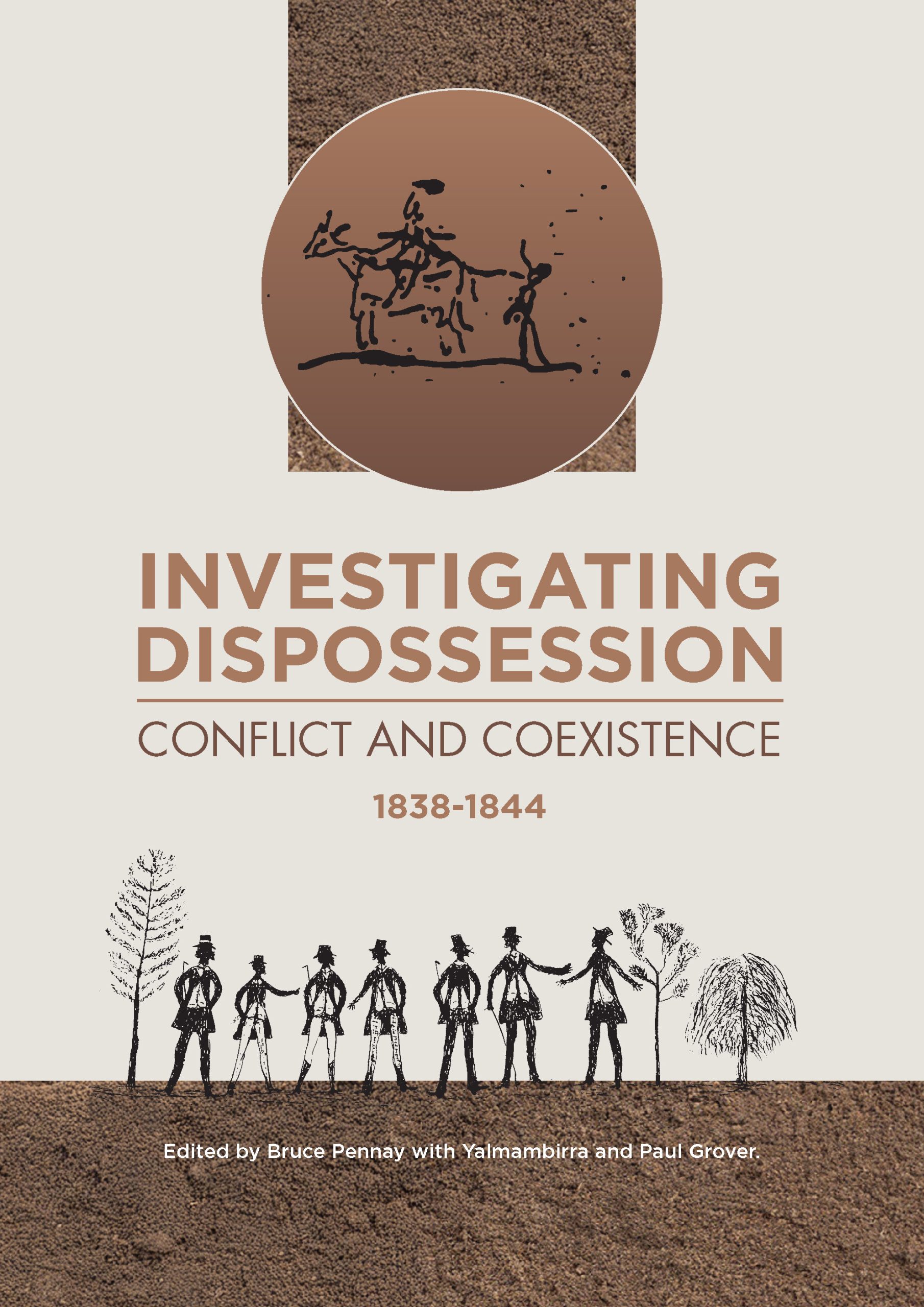
The new online book, Investigating Dispossession: Conflict and Coexistence, 1838-1844, emphasises the importance of pictorial evidence in revisiting stories of the local past. The covers are fantastic. They explain the big story it covers and the way it is told. Two front cover images introduce the themes of conflict and coexistence. A map on the…
Event details
December 10, 2025 – December 31, 2035
Albury & District Historical Society Inc
https://alburyhistory.org.au/investigating-dispossession/,
Share this event
Event details
December 10, 2025 – December 31, 2035
Albury & District Historical Society Inc
https://alburyhistory.org.au/investigating-dispossession/,
–
Nil
The new online book, Investigating Dispossession: Conflict and Coexistence, 1838-1844, emphasises the importance of pictorial evidence in revisiting stories of the local past. The covers are fantastic. They explain the big story it covers and the way it is told. Two front cover images introduce the themes of conflict and coexistence. A map on the back cover shows how the local story of white settlement is also the local story of black dispossession. The colours of the cover approximate those of soil samples at Albury LibraryMuseum depicting Wiradjuri country on which the work was prepared.
Explorations of the theme conflict involve analysis of a rough contemporary sketch on the cover showing how Minnup (aka Merriman) and his brother Jaggerrogrer (aka as Harlequin) were each dragged by a neck chain all the way from the Murray River to Melbourne. Similar explorations of the theme coexistence take up analysis of artworks by Tommy McRae aka Yakaduna), They are encapsulated in the cover image ‘Civilisation’. The resource invites close reading of Tommy McRae’s drawings as the testimony of a Wiradjuri artist working from Lake Moodemere and witnessing the massive changes that came with white settlement. It builds on another study of Tommy McRae’s work, ‘Picturing Civilisation’, that was published in the Journal of the Royal Australian Society in December.
The work is presented in the form of an online book. It is addressed primarily to border district schools looking to localise the study of ‘Aboriginal Peoples’ Experiences of Colonisation’, which becomes mandatory in secondary schools next year. The work explicitly draws draw attention to the complications of evidence-based storytelling and over 270 questions prompt readers to assess the value of different kinds of evidence. It prompts schools to think about how they might begin to consult with local Fist Nations People on how First Nations men, women and children were and continue to be impacted by colonisation.
What’s coming up next



No upcoming events.
FOMO? Never miss an event.
Receive our monthly arts newsletter with the latest news, events, and opportunities from the region.
Browse Creative Murray categories